
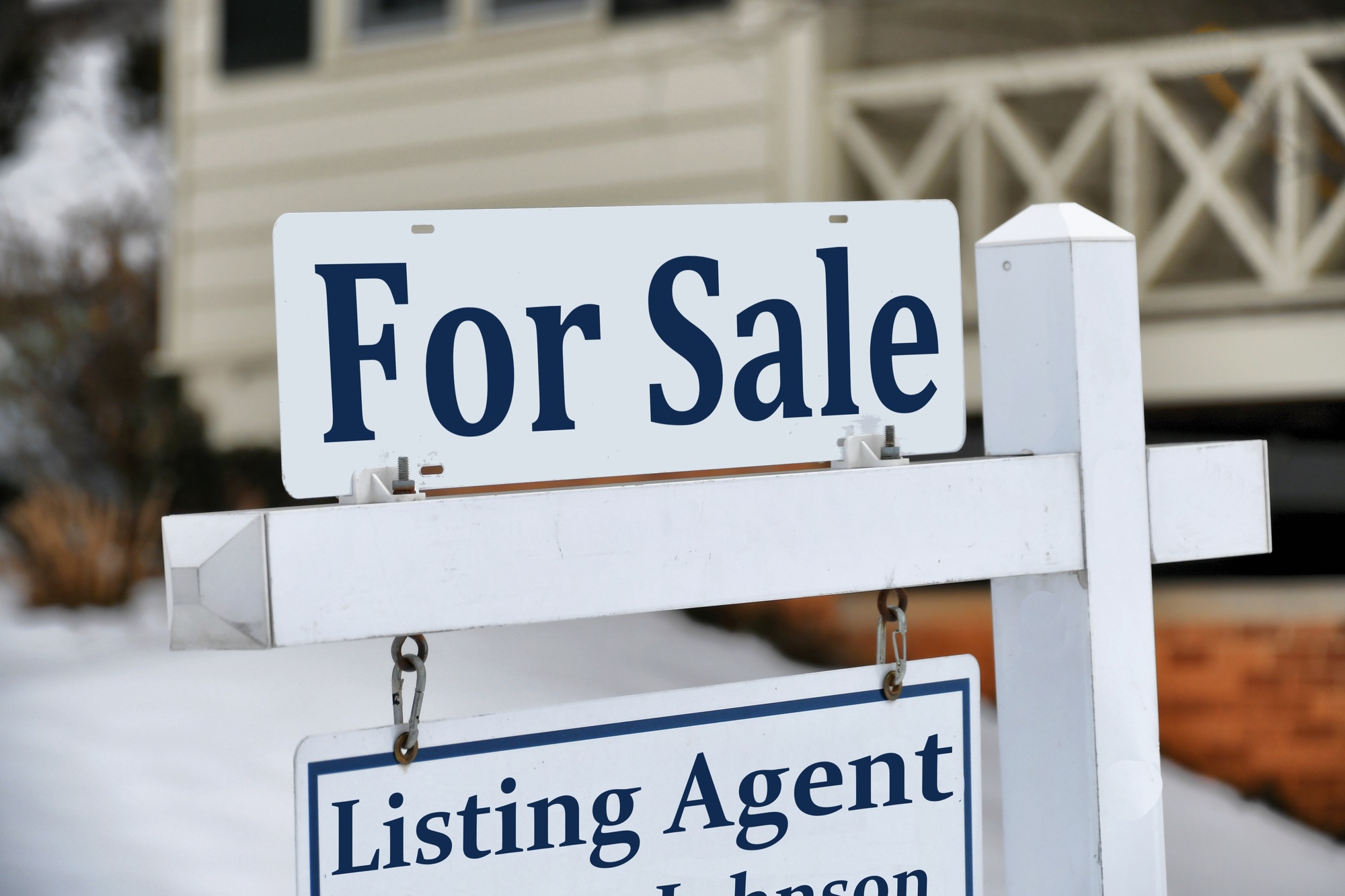
Mortgage rates in the United States have hit their lowest level in more than a year, signaling a potential turning point for the housing market. This unexpected decline is renewing optimism among prospective homebuyers and existing homeowners alike, as borrowing costs fall to levels not seen since mid-2024.
Mortgage Rates Hit a One-Year Low
After months of volatility, long-term mortgage rates have eased sharply, driven by moderating inflation data, declining bond yields, and shifting investor sentiment. According to the latest data from Freddie Mac and Mortgage News Daily, the average rate for a 30-year fixed mortgage has fallen below 6.3%, down from nearly 7% earlier this year.
This decline represents a significant shift in market dynamics, as borrowing costs had been steadily climbing in response to the Federal Reserve’s aggressive interest rate hikes throughout 2023 and early 2024. The recent drop reflects growing market expectations that the Fed may soon begin easing monetary policy as inflation pressures show signs of subsiding.
Impact on Homebuyers and the Housing Market
For homebuyers, this decline in mortgage rates could improve affordability and reignite demand in a housing market that has cooled considerably over the past year. Lower rates translate to smaller monthly payments, allowing more households to qualify for loans or upgrade their purchasing power.
Meanwhile, existing homeowners are also taking notice, with a growing number exploring refinancing opportunities to lock in lower rates. According to preliminary data from the Mortgage Bankers Association (MBA), refinance applications have increased by nearly 10% week-over-week — the largest jump in months.
Real estate analysts note that this drop could lead to a temporary surge in housing activity, particularly in regions where inventory remains constrained. “The fall in rates could bring buyers back to the table, but affordability challenges and limited supply will still shape the pace of recovery,” said one housing economist.
Broader Economic Drivers
The downward shift in mortgage rates is closely tied to movements in the U.S. Treasury bond market, where yields have recently fallen amid weaker economic data and growing concerns over slowing growth. Investors seeking safety have driven up demand for long-term government bonds, leading to lower yields — a trend that directly affects mortgage pricing.
At the same time, the Federal Reserve’s cautious tone in recent meetings has fueled speculation that interest rate cuts could be on the horizon in 2026 if inflation continues to trend downward. This expectation has further contributed to easing borrowing costs across the board.
Market Outlook: What to Watch Next
While the latest decline offers relief to homebuyers and lenders, analysts caution that mortgage rates could remain volatile in the coming months. Factors that could influence future movements include:
-
Federal Reserve policy decisions: Any signals of rate cuts or pauses could influence lending rates further.
-
Inflation data releases: Persistent inflation could reverse the current downward trend.
-
Housing market reports: Rising demand could put upward pressure on home prices, partially offsetting the benefits of lower rates.
If rates continue to decline or stabilize at current levels, the housing market could see renewed momentum, potentially reversing some of the slowdown seen in 2024. However, sustained improvement will depend on wage growth, affordability, and overall economic stability.
Summary
✅ Mortgage rates have fallen to around 6.3% for 30-year fixed loans as of October 2025 (Freddie Mac, Mortgage News Daily).
✅ Decline driven by lower bond yields and expectations of a softer Fed policy in 2026.
✅ Refinance activity has increased by nearly 10%, per MBA data.
✅ Inflation indicators continue to cool, supporting lower rate trends.
What does the recent decline in mortgage rates mean for homebuyers?
It generally means more affordable borrowing costs, potentially increasing home purchasing power and encouraging more home sales.
How might this trend affect the housing market overall?
Lower mortgage rates can lead to increased demand, which might push up home prices and stimulate construction and real estate activity.
What risks should homeowners and investors be aware of?
Rapid rate changes could lead to market volatility, and if rates rise again, refinancing opportunities may diminish, affecting those who recently locked in low rates.