
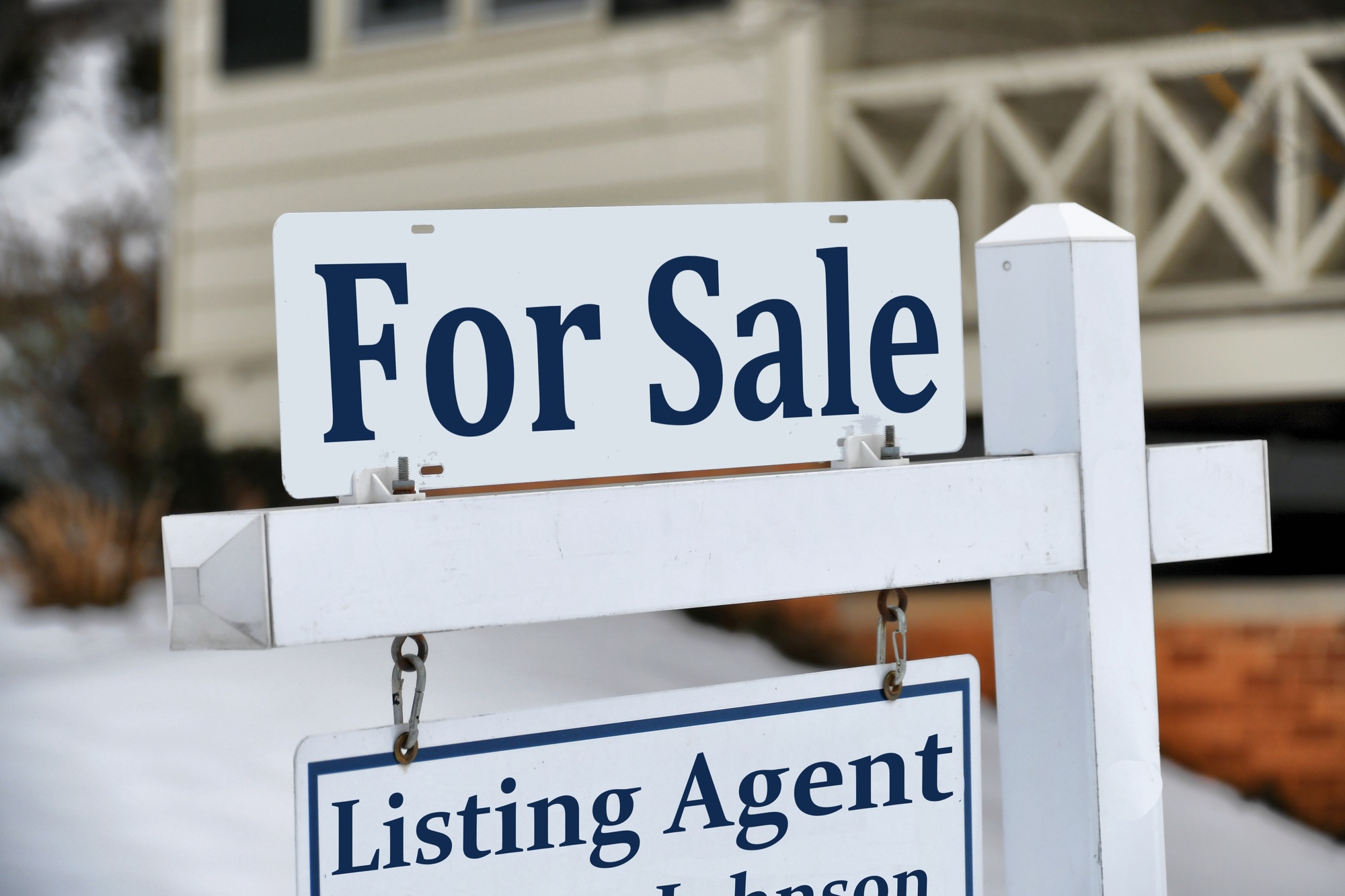
The U.S. housing market seems to be showing signs of gradual stabilization, with a modest increase in home prices nationwide — hinting at a balanced environment where neither buyers nor sellers hold a strong advantage.
In recent months, the market has followed a pattern of slow appreciation and occasional stagnation, a dynamic some describe as a “nobody’s market.” This character reflects price movements that are neither soaring nor collapsing, but rather creeping along modestly. For many, that suggests a cautious optimism: home values are inching up, but not so fast as to risk a bubble, and not so slow as to discourage sellers entirely.
According to latest data, U.S. home prices have increased, albeit gently, continuing a trend of steady but moderate growth. This modest uptick suggests the housing market remains resilient despite economic headwinds, offering a more balanced negotiation ground for buyers and sellers alike.
For homeowners, the slight rise in value may translate into a bit more equity. For prospective buyers, the limited upward pressure on prices means there’s less urgency and somewhat better leverage — especially as inventory picks up and competition eases. Real estate agents and investors are watching closely, evaluating whether this stability is the beginning of a longer-term reset or simply a temporary lull.
Analysts interpret the current pattern as a sign of market equilibrium — a phase where prices are not rising too quickly, nor sliding downward. That kind of stability can support healthy, sustainable home-buying and selling activity, especially as mortgage rates and economic conditions remain uncertain.
Looking ahead, the housing market’s path will likely depend on broader economic factors: trends in interest rates, supply and demand dynamics, and affordability metrics. Key indicators to watch include mortgage-rate changes, home-construction data, and shifts in buyer demand — all of which could tip the balance toward either renewed growth or cooling.
Summary
-
According to the most recent data from the Federal Housing Finance Agency (FHFA), U.S. house prices rose 2.2% year-over-year in the third quarter of 2025, and 0.2% quarter-over-quarter.
-
Another source, national real estate data aggregator Redfin, reports that home prices in October 2025 were up 1.3% year-over-year, with a modest rise in the number of homes sold.
-
A recent housing-market analysis describes the current U.S. market as more balanced and less frenzied than in prior years — with slower price growth and somewhat improved supply, suggesting less pressure on buyers.
What does a slight increase in home prices indicate about the housing market?
This indicates a stable market where prices are slowly appreciating without significant volatility, benefiting both buyers and sellers by maintaining a balanced environment.
How might current market conditions affect prospective homebuyers?
<pBuyers might encounter limited price reductions but can also benefit from a market that isn’t overly competitive, allowing for more measured negotiations.
What should investors and real estate professionals watch for in the coming months?
<pThey should monitor mortgage rates, new construction activity, and economic indicators to understand potential shifts in market dynamics and prepare accordingly.