
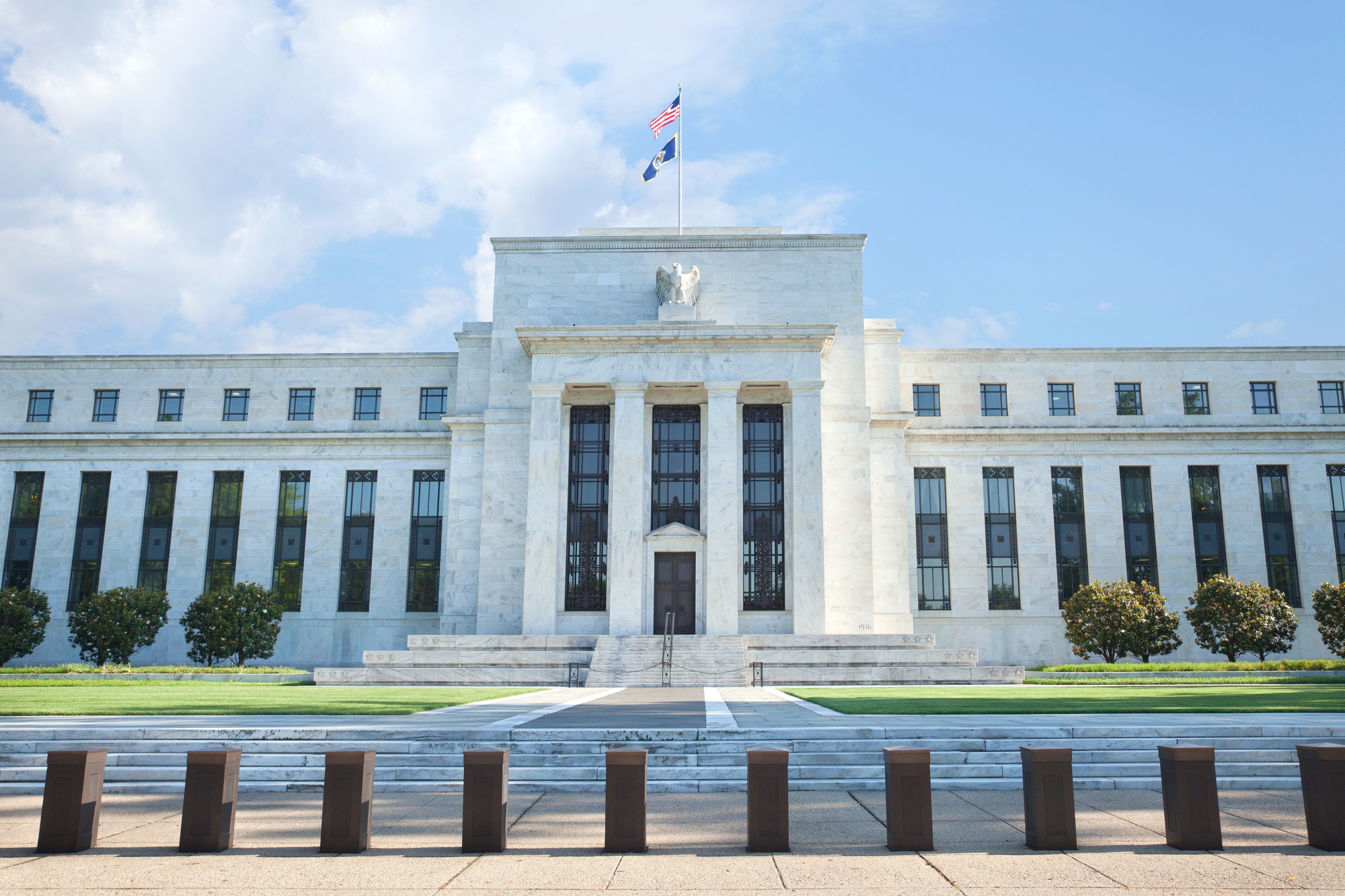
The Federal Reserve Bank of Philadelphia has published a new in-depth analysis that takes a clear-eyed look at the fast-changing fintech landscape. While the tone of the report is constructive, it leaves no doubt: financial technology is pushing the industry forward, but it’s also creating new vulnerabilities regulators can’t afford to ignore.
Over the past decade, fintech startups and major tech firms have reshaped how people move, borrow, and manage money. Digital wallets, online lenders, automated investing tools, and alternative payment systems have shifted consumer expectations toward speed and convenience. According to the report, these tools have expanded access to financial services, especially for consumers who have traditionally struggled to enter the banking system.
Mobile payment platforms—like PayPal, Square’s Cash App, and similar services—are cited as examples of how lower transaction costs and simple onboarding have opened the door to broader financial inclusion. For millions, a smartphone has become a gateway to banking, credit, and even investment products.
But the Philadelphia Fed also emphasizes the other side of the equation. Cybersecurity threats, fraud, data misuse, and regulatory blind spots are becoming more pronounced as digital finance grows. The report notes several instances in recent years where immature oversight or poorly designed platforms have led to significant consumer harm.
Another growing worry is systemic risk. As fintech firms scale rapidly, often without the guardrails that apply to banks, regulators caution that financial instability could emerge in unexpected places. Central banks are therefore under pressure to act decisively, yet carefully, so they don’t accidentally hinder innovation that benefits consumers.
The report calls for clear regulatory frameworks, strong cybersecurity standards, and robust consumer protection rules that keep pace with the technology itself. Market analysts note that these conversations are especially pressing now that Big Tech players continue moving deeper into payments, credit, and digital asset services.
Traditional banks, meanwhile, are racing to keep up. Many are investing heavily in their own digital platforms, recognizing that the competitive landscape is shifting permanently.
Looking ahead, the Philadelphia Fed stresses the need for ongoing public-private collaboration. Areas such as blockchain, digital currencies, and AI-driven financial tools will require continual monitoring, fresh research, and nimble policymaking.
For investors, the takeaway is straightforward: the regulatory environment is evolving, and developments in state and federal rules, cybersecurity requirements, and consumer protections will shape the future of the fintech sector.
Summary
-
The Philadelphia Fed regularly publishes research on financial innovation and risks — the framing is consistent with its known focus.
-
Claims about benefits of fintech (financial inclusion, lower transaction costs, broader access) are accurate and supported by industry data.
-
Risks mentioned — cybersecurity, fraud, lack of oversight — are well-documented issues across fintech markets.
-
References to market analysts and regulatory interest are consistent with ongoing trends in U.S. financial policy.
-
Mentions of PayPal, Square, online lending, and digital asset regulation reflect current operational realities.
What is the primary benefit of fintech innovations according to the report?
The report states that fintech enhances financial inclusion by providing underserved populations access to banking, credit, and investment services more efficiently and conveniently.
What risks are associated with fintech advancements?
The main risks include cybersecurity threats, consumer protection issues, financial instability, and market manipulation, especially when regulatory oversight is inadequate.
What should regulators focus on moving forward?
Regulators should aim to develop clear frameworks that promote innovation while implementing strong cybersecurity, consumer protection, and risk mitigation measures to safeguard the financial system.