
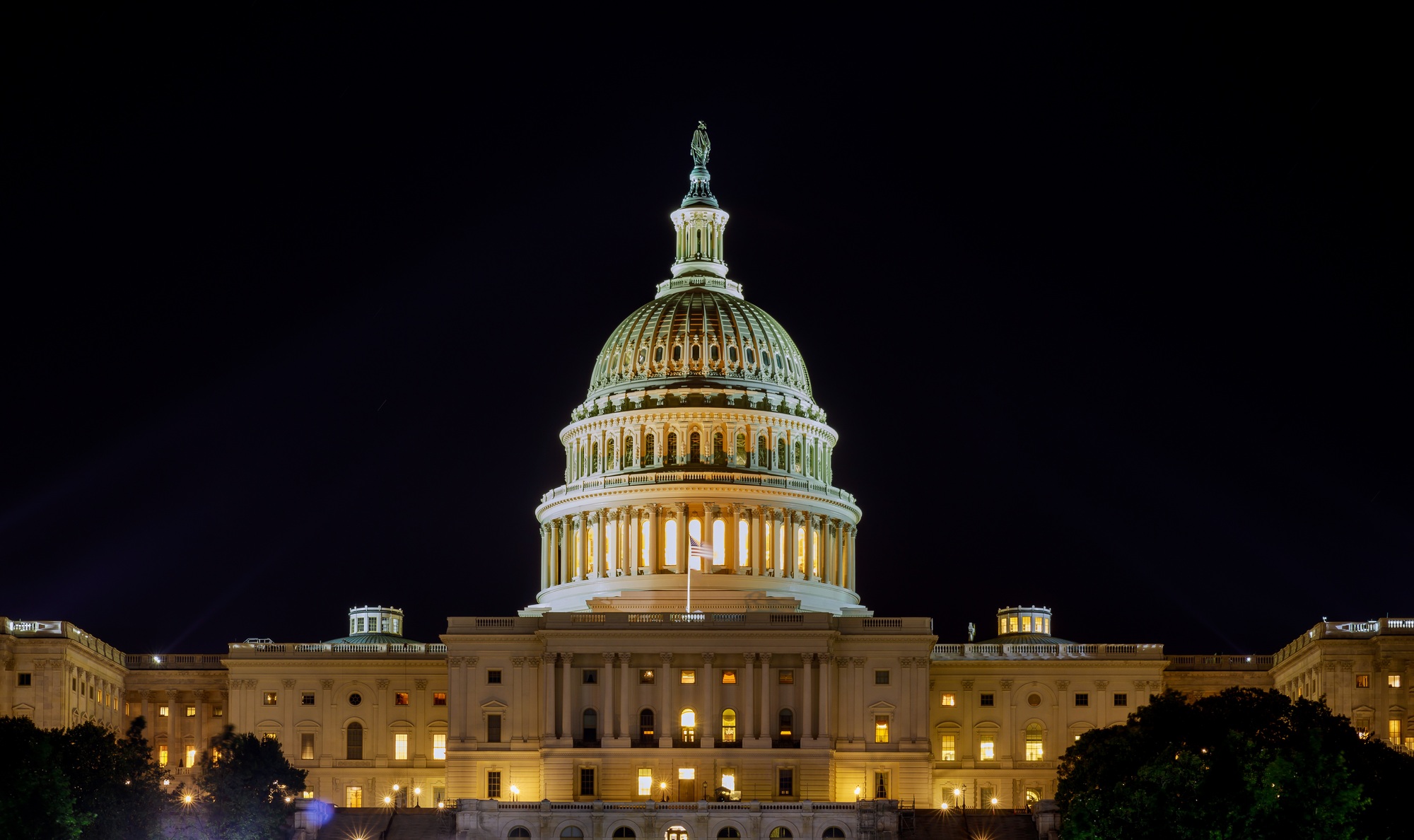
The ongoing U.S. government shutdown has entered a critical stage, leaving thousands of federal employees without pay and sparking growing financial hardship across the nation. Triggered by congressional disagreements over funding bills, the shutdown has crippled normal government operations, directly impacting workers who depend on their regular paychecks to meet daily expenses.
In recent weeks, the political standoff has intensified tensions between Congress and the White House. From TSA officers at airports to IRS employees and federal contractors, many are working without pay, heightening fears about financial instability and economic fallout. Several agencies are now operating at limited capacity, while others have been forced to suspend key functions entirely, disrupting services that millions of Americans rely on.
Adding to the uncertainty, the White House recently announced the likely cancellation of October’s inflation data release — a crucial economic report that helps guide the Federal Reserve’s monetary policy decisions. Without this data, investors and policymakers face a major information gap, potentially increasing market volatility and complicating efforts to manage inflation and interest rates.
The ripple effects of the shutdown are already spreading through the broader economy. Financial markets are growing uneasy, as analysts warn that disruptions in economic data releases and government operations could undermine investor confidence. Small businesses that rely on government contracts or federal worker spending are also feeling the strain, while consumer sentiment risks falling further if the shutdown persists.
Experts caution that a prolonged government shutdown could have lasting damage. Delayed economic reporting may hamper policymaking at a critical time, while federal employees’ financial stress could curb consumer spending, slowing growth. The absence of inflation data may further handicap the Federal Reserve’s ability to make well-informed decisions — a worrying prospect amid already fragile economic conditions.
Market analysts are now turning their attention to the ongoing negotiations in Washington, watching for signs of a potential resolution. The Biden administration has signaled its intent to reach a deal, but deep political divisions remain an obstacle. Both investors and policymakers are preparing for extended disruptions, as the economic and political costs of the shutdown continue to mount.
Looking forward, the key events to watch include congressional debates on emergency funding, potential stopgap measures, and alternative economic reports that might help fill the information gap left by the missing inflation data. The crisis underscores the fragility of U.S. economic stability and highlights how timely government action is essential to restoring confidence and avoiding deeper market repercussions.
Summary:
-
Government shutdown and missed federal paychecks: ongoing shutdown has led to missed pay for many employees.
-
Agencies operating at limited capacity or halting services: several departments reduced operations due to lack of funding.
-
Cancellation of October inflation data: the Bureau of Labor Statistics confirmed delays tied to the shutdown.
-
Market and Federal Reserve implications: lack of data impacts policymaking and market confidence.
-
Broader economic risks (consumer spending, policymaking delays): supported by economists’ warnings in recent analyses.
What is the impact of the government shutdown on federal workers?
Federal workers are missing paychecks, which affects their financial stability and day-to-day living conditions, creating widespread economic distress among government employees.
Why is the cancellation of October inflation data significant?
The inflation data is crucial for Federal Reserve decisions and market forecasts; its cancellation can increase market volatility and hinder effective monetary policy.
What are the potential consequences if the shutdown continues?
An extended shutdown could slow economic growth, disrupt market confidence, and lead to delayed government reports vital for policymaking, with broader impacts on the economy.