Wallets & Security
Hot Wallet vs Cold Wallet: Differences, Pros and Cons
A hot wallet keeps your crypto keys on an online device for easy spending; a cold wallet keeps them offline,…
How to store crypto safely: what wallets and seed phrases are, hot vs cold and hardware vs software wallets, when to keep coins on an exchange, and how to avoid the scams that drain accounts.
A hot wallet keeps your crypto keys on an online device for easy spending; a cold wallet keeps them offline,…
A crypto wallet stores the private keys that control your crypto on the blockchain, letting you send, receive and check…
This section explains crypto wallets and security: how to hold your own coins, back up access, and avoid the mistakes and scams that cause most losses. A crypto wallet does not store coins. It stores the private keys that prove you own coins recorded on the blockchain. Protecting those keys is the single most important part of owning crypto.
With custodial storage, such as an exchange account, a company holds the keys for you. With self-custody, you hold them. Self-custody removes the risk of an exchange failing or freezing withdrawals but makes you fully responsible for backups.
A seed phrase (recovery phrase) is a list of 12 or 24 words that can restore your wallet on any compatible device. Anyone who sees it can take your funds. Store it offline, never type it into a website, and never share it with “support” staff.
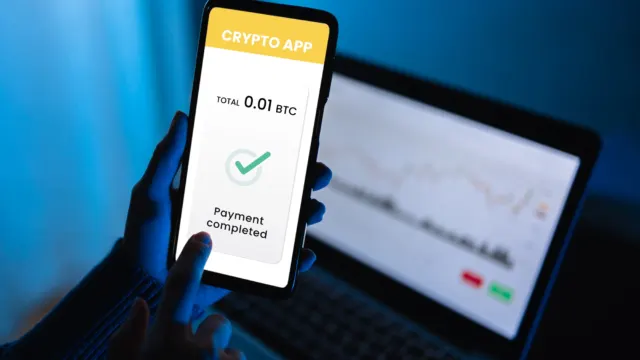
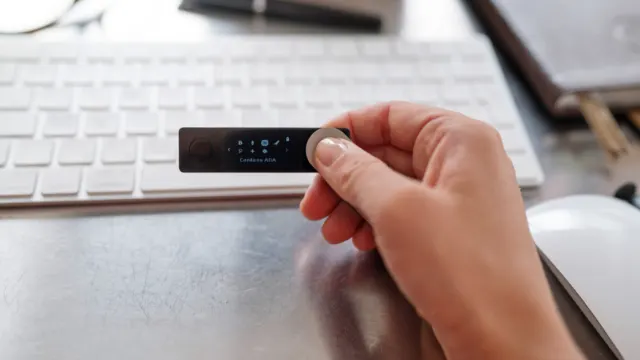
A hot wallet is connected to the internet, such as a phone app; it is convenient for small, frequent use. A cold wallet, usually a hardware device, keeps keys offline and suits larger long-term holdings.
Crypto transactions are generally irreversible, so prevention is your only real protection. See the crypto hub for the wider basics.
For larger long-term holdings, a hardware wallet bought from the manufacturer, with the seed phrase stored offline in a secure place, is widely considered the safest option. Small amounts for regular use can sit in a reputable software wallet or exchange. Spreading holdings reduces single points of failure.
If you still have access to the wallet, create a new wallet immediately, write down its new phrase and move your funds. If you lose both the device and the phrase, the funds are usually unrecoverable. No company can reset a self-custody wallet for you.
It is convenient, and large regulated exchanges have security teams, but you depend on the company staying solvent and honest. Exchange failures such as FTX in 2022 left customers unable to withdraw. Many people keep only trading amounts on exchanges.
Remote hacks are rare because keys stay offline, but risks include tampered devices, fake wallet apps and phishing that tricks you into revealing your seed phrase. Most losses come from user error and scams rather than the device itself.