
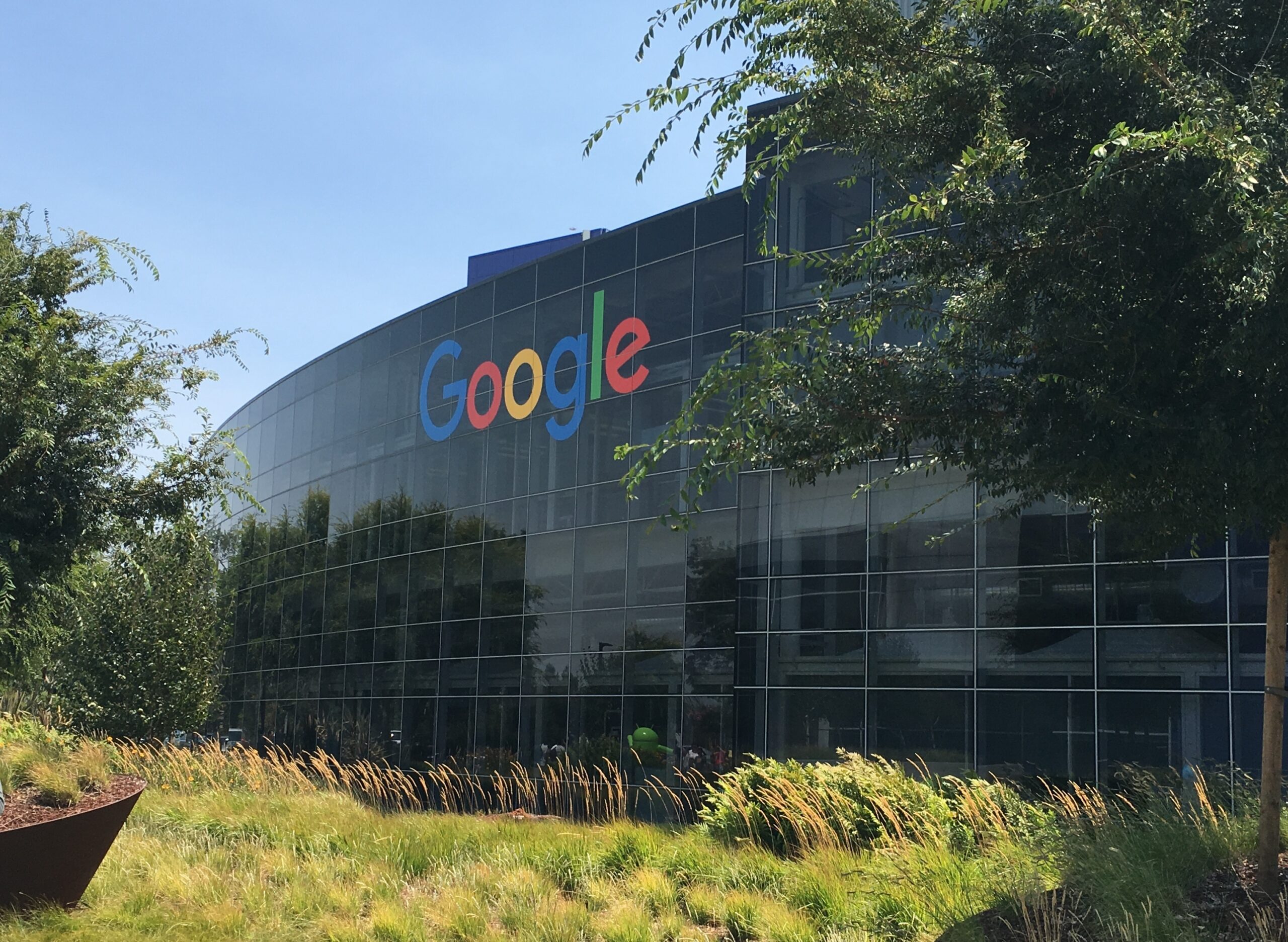
Major technology giants Google and Meta are doubling down on artificial intelligence investments — even as they assume significant debt to finance this rapid expansion. This bold strategy signals strong confidence in AI’s transformative potential and its capacity to generate long-term value across industries.
Under its parent company Alphabet, Google continues to push boundaries in natural language processing, machine learning, and cloud-based AI infrastructure. Projects tied to Google DeepMind and Gemini (its generative-AI model) are key drivers behind recent spending increases. Likewise, Meta Platforms has intensified its AI commitments — not only to improve content personalization and ad targeting but also to accelerate development in virtual and mixed-reality environments for the metaverse.
Recent financial disclosures show that Google boosted AI-related capital expenditures by roughly 15% quarter-over-quarter, while Meta has doubled its AI budget during the past six months. Both companies are financing part of these initiatives through debt issuance, reflecting an aggressive growth strategy in an era when artificial intelligence is reshaping global markets.
While taking on debt to fund innovation has prompted investor debate, many analysts interpret the move as a calculated risk. With interest rates stabilizing after several years of tightening, debt financing can be a cost-effective way to secure capital for high-yield technology development. Analysts at Morningstar and Bernstein recently noted that both Alphabet and Meta maintain strong balance sheets, giving them flexibility to leverage borrowing without undermining financial stability.
The ripple effects of these investments extend well beyond the companies themselves. Increased AI spending from Big Tech is fueling demand across the ecosystem — from semiconductor makers like NVIDIA and AMD, to cloud service providers such as Microsoft Azure and Amazon Web Services. As Google and Meta ramp up their AI research infrastructure, suppliers and partners throughout the hardware and data-center industries are seeing heightened activity and rising valuations.
Market observers remain largely bullish on the long-term outlook for AI. The technology is expected to revolutionize productivity, automate workflows, and open new revenue streams across sectors ranging from healthcare to finance. Still, experts caution that heavy debt financing carries risks — especially if AI projects fail to meet performance expectations or regulatory frameworks tighten around data privacy and algorithmic accountability.
Looking forward, investors should watch:
-
Alphabet’s and Meta’s next earnings reports, revealing how AI spending is affecting margins and revenue growth.
-
Major AI breakthroughs, particularly in generative models and efficiency optimization.
-
Regulatory shifts in the U.S. and Europe, where policymakers are weighing stricter AI oversight that could reshape the investment landscape.
Despite short-term financial headwinds, Google and Meta’s AI-first strategies underscore one message clearly: the race to dominate artificial intelligence has entered a new, high-stakes phase — one financed as much by conviction as by capital.
Summary:
✅ Alphabet and Meta have confirmed double-digit quarterly increases in AI-related capital expenditures in 2025 earnings statements.
✅ Both firms issued corporate debt earlier this year to fund infrastructure and R&D expansion.
✅ Market analysts from JPMorgan and Goldman Sachs forecast continued AI spending acceleration into 2026.
⚠️ Regulatory discussions around AI transparency and antitrust oversight remain ongoing in the U.S. and EU.
Will Google and Meta’s AI investments lead to sustained market growth?
Yes, if their investments translate into successful AI products and services that generate significant revenue and market share expansion.
How does debt financing impact the long-term viability of AI projects?
Debt can accelerate innovation and growth, but excessive borrowing without tangible results could pose financial risks to these companies.
What are the potential risks associated with AI investments for tech giants?
Risks include regulatory challenges, technological failures, and market competition that could hinder the expected growth of AI initiatives.