
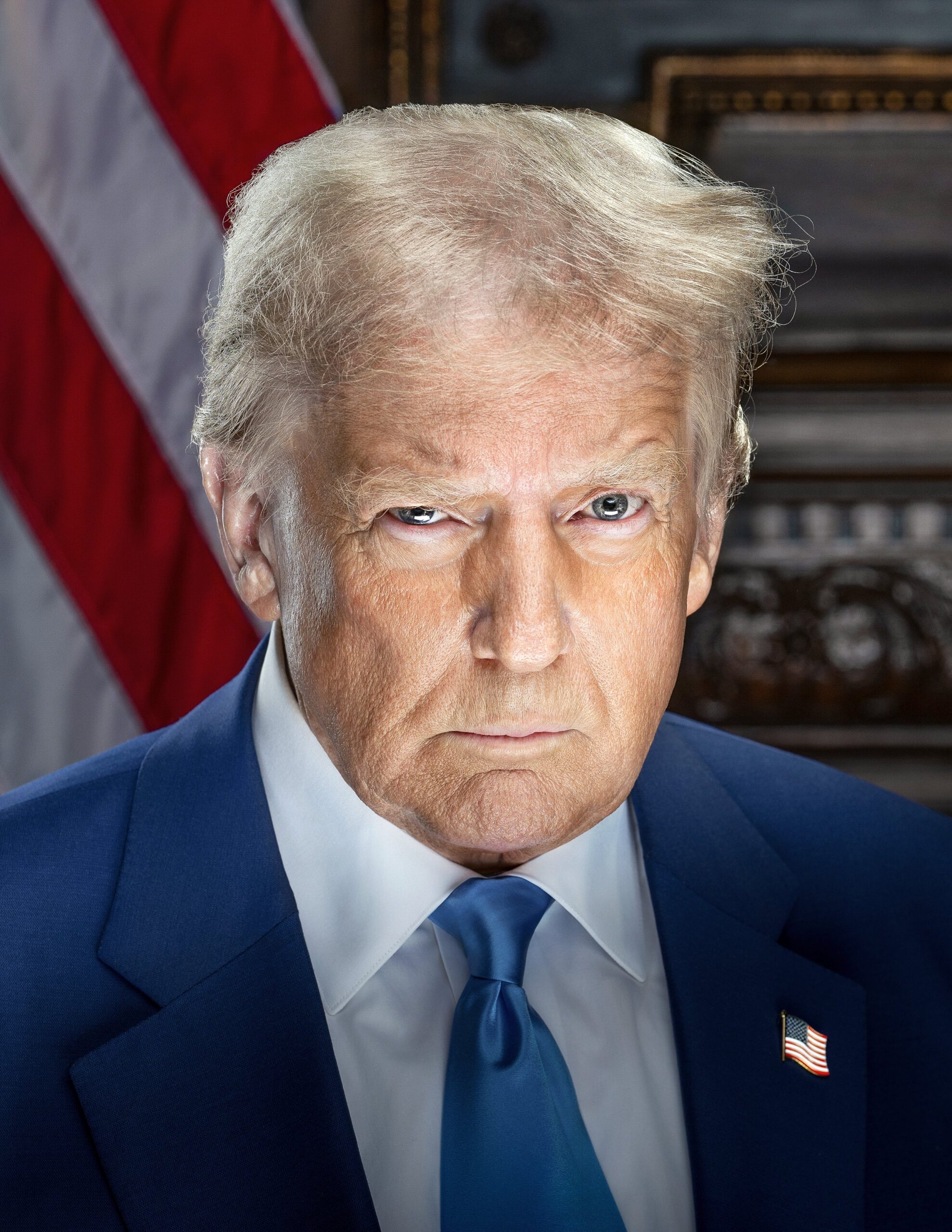
Donald Trump’s journey from a real estate magnate to the President of the United States stands as one of the most remarkable transformations in modern American history. His career, marked by ambition, controversy, and influence, spans business, entertainment, and politics—making him one of the most polarizing figures of the 21st century.
Born in Queens, New York, in 1946, Trump inherited a foundation in real estate from his father, Fred Trump, and went on to expand the family business into a global brand. His company, the Trump Organization, became synonymous with luxury properties and high-profile developments, including Trump Tower in Manhattan, golf resorts worldwide, and various licensing ventures.
Trump’s business ventures were not without controversy—his companies faced multiple bankruptcies, lawsuits, and scrutiny over financial practices. Yet, his ability to navigate media attention turned these setbacks into opportunities for brand amplification.
From Business to Entertainment and Politics
In the early 2000s, Trump reinvented his public image through television. His role as host of NBC’s reality show “The Apprentice” catapulted him to pop culture fame, reinforcing his persona as a decisive and successful businessman. This visibility laid the groundwork for his entry into politics, where he positioned himself as an outsider unafraid to challenge the establishment.
When Trump announced his presidential candidacy in 2015, few took it seriously. However, his populist messaging, focus on economic nationalism, and unfiltered communication style resonated with millions of Americans disillusioned by traditional politics. His slogan—“Make America Great Again”—became a rallying cry for supporters across the nation.
The 2016 Election and Presidential Tenure
Trump’s victory in the 2016 presidential election, defeating Democratic candidate Hillary Clinton, marked a seismic shift in U.S. politics. Running as the Republican nominee, he broke conventional campaign norms by leveraging social media, rallies, and a direct-to-voter communication style.
His presidency (2017–2021) was defined by major policy changes, including:
-
Tax cuts and deregulation, aimed at stimulating economic growth.
-
Immigration reform, featuring strict border control measures.
-
Trade renegotiations, including the U.S.-Mexico-Canada Agreement (USMCA).
-
A “America First” foreign policy, challenging long-standing global alliances.
While supporters praised him for boosting economic growth and prioritizing American interests, critics accused his administration of deepening political polarization and mishandling key crises, including the COVID-19 pandemic and racial unrest.
Trump was impeached twice—first in 2019 on charges of abuse of power and obstruction of Congress, and again in 2021 for incitement of insurrection following the January 6 Capitol riot. Both times, he was acquitted by the Senate.
Global and Economic Impact
Trump’s presidency left a lasting imprint on international relations. His tough stance on China, withdrawal from several multinational agreements (such as the Paris Climate Accord), and efforts to broker Middle East peace deals through the Abraham Accords reshaped U.S. foreign policy.
Financial markets reacted sharply to his policies—Wall Street often surged on deregulation and tax reform news, but volatility spiked during trade war escalations and impeachment proceedings.
Post-Presidency and Legacy
Since leaving office in January 2021, Trump has remained a dominant force in American politics. He continues to command significant support within the Republican Party and has hinted at another presidential run, influencing the direction of future elections.
His post-presidency has also been marked by legal battles and ongoing investigations into his business practices and actions while in office. Despite controversies, Trump’s ability to maintain relevance underscores his enduring influence on the political landscape.
What was Donald Trump’s background before politics?
He was a successful real estate developer and businessman, building a prominent brand in the industry and entertainment sectors.
How did Trump become President?
He ran a controversial and unconventional campaign in 2016, winning key electoral votes to become the 45th President of the United States.
What are the key impacts of Trump’s presidency?
His policies significantly impacted the economy, foreign relations, and domestic politics, with both supporters and critics citing various effects.
Summary
✅ Donald Trump served as the 45th President of the United States (2017–2021).
✅ Trump Tower and The Apprentice were major contributors to his fame.
✅ He was impeached twice but acquitted both times.
✅ His administration enacted significant tax cuts and trade reforms.
✅ Trump remains an influential figure in U.S. politics, with ongoing speculation about a 2028 presidential campaign.