
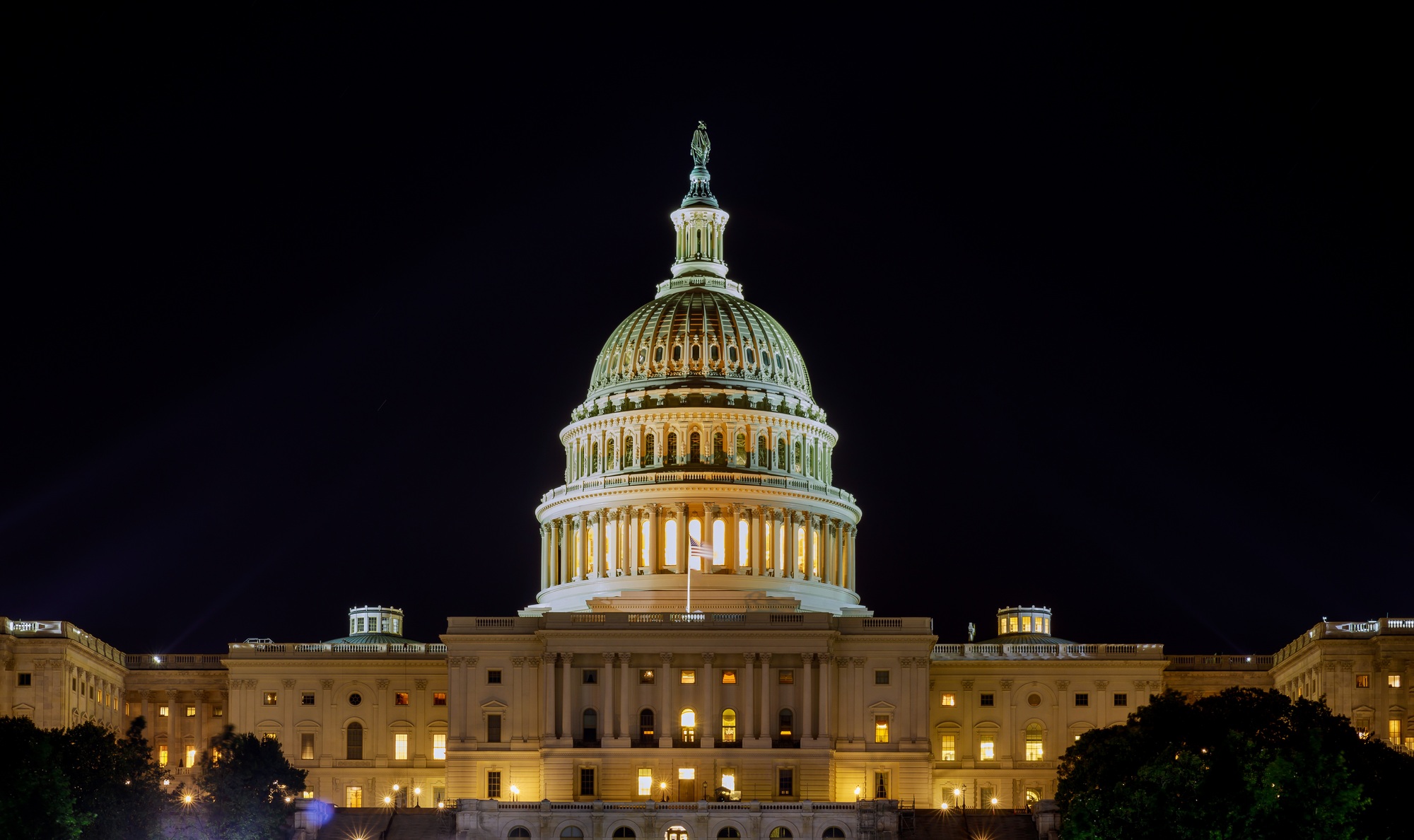
Efforts to create a clear regulatory framework for the cryptocurrency industry in the United States have hit a major obstacle in the Senate, as lawmakers remain divided over how to balance innovation with investor protection. The much-anticipated legislation—intended to establish comprehensive rules for digital assets—has encountered strong resistance, casting doubt on when, or even if, a unified regulatory approach will emerge.
Legislative Background and Objectives
Over the past year, crypto industry participants and policymakers have pushed for structured legislation that defines how digital assets should be traded, stored, and monitored. The proposed bill, which enjoys partial bipartisan support, seeks to clarify issues around custody requirements, anti-money laundering (AML) compliance, and consumer protection.
At its core, the bill aims to fill the long-standing regulatory gap between agencies like the Securities and Exchange Commission (SEC) and the Commodity Futures Trading Commission (CFTC)—both of which have vied for oversight authority. The framework is also designed to protect investors from fraud while promoting responsible growth of the digital asset market.
Resistance and Political Divisions
Despite broad acknowledgment of the need for regulation, the proposal has run into significant opposition within the Senate. Lawmakers from both parties have expressed concern that the current version could stifle innovation or create unnecessary barriers for emerging crypto startups.
Some senators argue that the bill leans too heavily toward traditional financial institutions, giving large banks and legacy firms an advantage over decentralized platforms. Others worry that overregulation might drive crypto innovation offshore, weakening the U.S.’s competitiveness in the global digital economy.
During recent Senate hearings, debate centered on whether cryptocurrencies should be classified primarily as securities or commodities. This classification is critical because it determines which federal agencies will oversee enforcement, as well as how assets will be taxed and traded. The lack of consensus on this issue has led to delays and uncertainty across financial markets.
Market and Industry Reaction
The prolonged policy debate has had a visible impact on crypto markets. Bitcoin and Ethereum, the two largest cryptocurrencies by market capitalization, have experienced heightened volatility as investors react to the lack of regulatory clarity. Market analysts point out that this uncertainty is discouraging institutional participation, which is crucial for stabilizing the sector and driving long-term growth.
Industry leaders, including major crypto exchanges and blockchain associations, have urged lawmakers to adopt a balanced approach. They argue that well-defined regulations will protect consumers while encouraging innovation, and that inaction risks leaving the U.S. behind as other regions—such as the European Union—advance their own comprehensive frameworks like MiCA (Markets in Crypto-Assets Regulation).
Expert Perspectives
According to several financial analysts, the current deadlock may not necessarily be negative in the long term. The Senate’s pushback could lead to a more refined and inclusive bill, one that better addresses the needs of both innovators and regulators. However, the delay also creates short-term instability, as crypto companies face difficulties in securing licenses, attracting investors, and ensuring compliance with evolving rules.
Some experts warn that the continued lack of clarity could push innovation to more crypto-friendly jurisdictions such as Singapore or the United Arab Emirates, where clear digital asset laws have already been implemented.
Looking Ahead
The next few months will be critical for the future of U.S. crypto regulation. The Senate is expected to hold additional committee hearings to discuss amendments, including clearer definitions for token classifications and consumer protection mechanisms. The outcomes of these sessions will likely determine the pace and direction of crypto policy in the United States.
If lawmakers can achieve a bipartisan consensus, the resulting framework could serve as a global model for responsible digital asset governance. Conversely, prolonged disagreements could leave the U.S. lagging behind its international counterparts in shaping the next generation of financial innovation.
Summary
✅ As of October 2025, the U.S. Senate has not passed comprehensive crypto regulation, and multiple proposals remain stalled in committees.
✅ Debate continues over whether cryptocurrencies should be classified as securities or commodities, a key point of contention between the SEC and CFTC.
✅ Market volatility in Bitcoin and Ethereum has been attributed partly to regulatory uncertainty in the U.S., as reported by Reuters and CoinDesk.
What are the main concerns among senators opposing the bill?
Many senators worry that the bill could overly restrict the crypto industry, limiting innovation and growth, or that it might favor large financial institutions over startups and individual investors.
How might the delays affect the crypto market?
Delays in passing comprehensive regulation can lead to increased volatility and uncertainty, which may deter new investments and affect the stability of existing cryptocurrencies.
What should investors watch for in upcoming legislative developments?
Investors should monitor Senate hearings and proposals for amendments to gauge how the regulatory landscape will evolve and impact the future of digital assets in the United States.