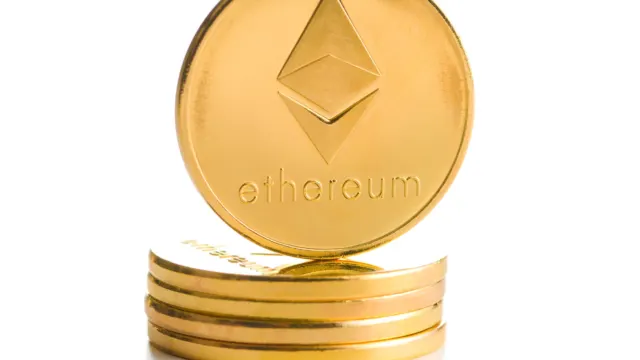
DeFi & Staking
Ethereum Staking Explained: Rewards, Risks and How to Start
Ethereum staking locks ETH to help secure the network in exchange for ETH rewards. You can solo stake 32 ETH…
DeFi and staking explained: how decentralized finance works, how staking rewards are earned, the difference between staking, yield farming and lending, and how liquidity pools and impermanent loss work.
Ethereum staking locks ETH to help secure the network in exchange for ETH rewards. You can solo stake 32 ETH…
These guides explain DeFi and staking for beginners. DeFi (decentralized finance) is a set of applications, built mostly on Ethereum and similar blockchains, that let people trade, lend and borrow through smart contracts instead of banks or brokers. Staking means locking coins to help secure a proof-of-stake network in return for rewards. Both can generate yield, and both carry risks that are easy to underestimate.
Every yield has a source. Staking rewards come from new coin issuance and transaction fees. Lending yields come from borrowers paying interest. Liquidity pool returns come from trading fees, sometimes topped up with incentive tokens. If you cannot identify the source, treat the yield as a warning sign.
An automated market maker (AMM) sets prices using a formula and a pool of two or more tokens supplied by users. Providers earn a share of fees but can suffer impermanent loss, ending up worse off than if they had simply held the tokens when prices diverge.
Some staking has unbonding periods before you can withdraw. Liquid staking issues a token representing your staked coins so you can still use them, adding another layer of smart contract risk.
Before depositing, look at how long the protocol has run without incident, whether its code has been audited, how much value it holds, and who can change its contracts. Audits reduce but do not remove risk.
DeFi risks include smart contract bugs and hacks, oracle failures, stablecoin depegs, slashing on staked coins and platforms that freeze withdrawals. Advertised rates can change daily. Rewards are often taxable as income in the US. Start small and learn about wallet security first.
Staking is not risk-free. You can lose value if the coin's price falls, face lockup periods, or lose part of your stake through slashing if a validator misbehaves. Staking through a platform also adds the risk that the platform fails.
DeFi runs on smart contracts, and you usually keep control of your wallet. CeFi (centralized finance) means a company such as an exchange holds your assets and runs the service. CeFi is often simpler; DeFi offers more control but puts more responsibility on you.
In the US, the IRS has said staking rewards are generally taxable as income when you gain control of them, and selling later can create a capital gain or loss. Other countries treat rewards differently. Check your local tax authority's guidance.