
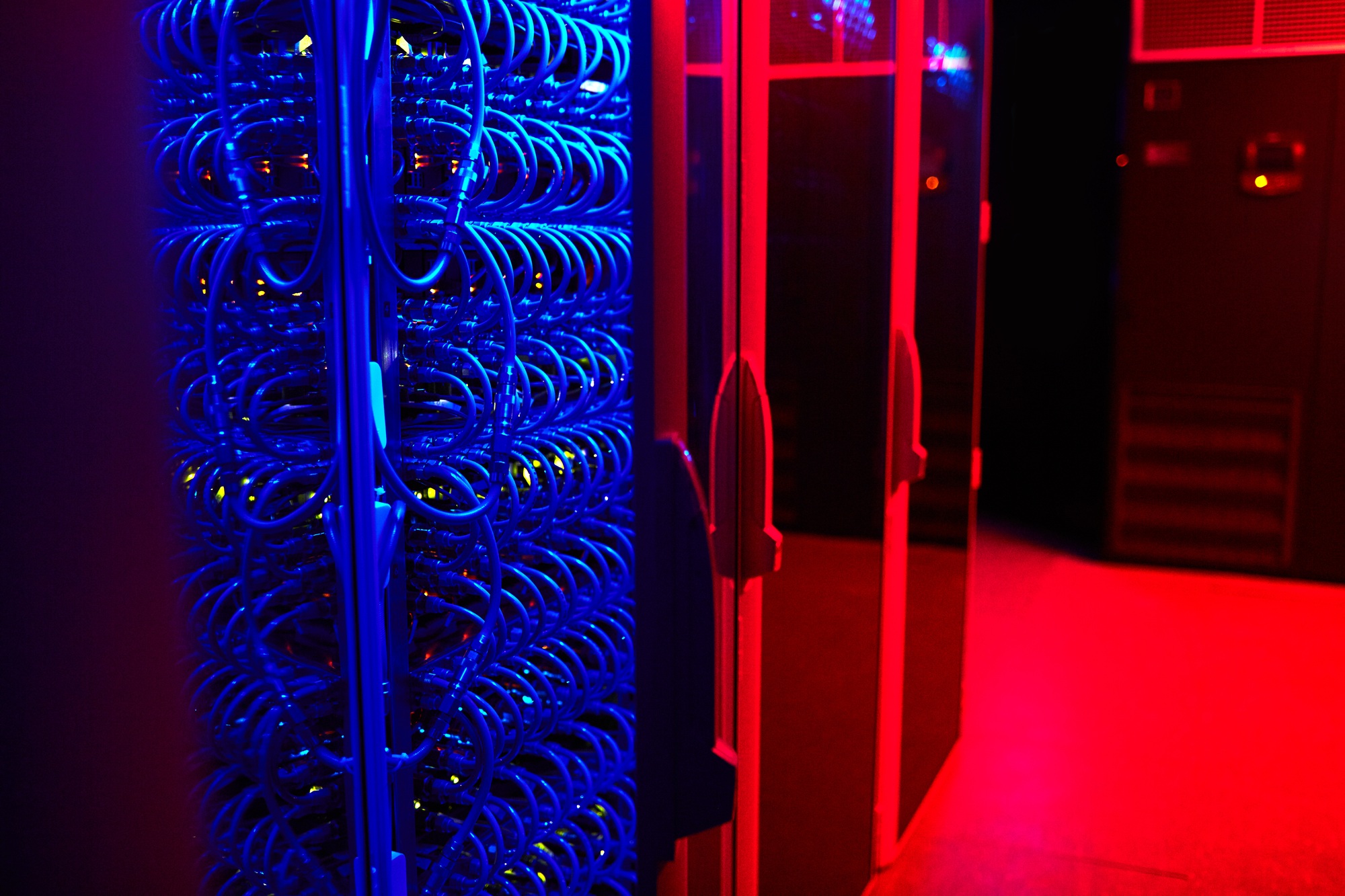
As the cryptocurrency sector evolves, a growing number of bitcoin mining companies are exploring a bold new direction — converting their mining farms into AI-powered data centers. This strategic pivot reflects the increasing convergence between artificial intelligence and blockchain technology, yet it also exposes miners to fresh economic and operational challenges.
The Drive Behind the Transition
The appeal of AI lies in its rapidly expanding market and potentially higher profit margins compared to traditional bitcoin mining, which has become increasingly competitive and energy-intensive. According to recent industry reports, several mining companies are repurposing their facilities to handle AI workloads, including machine learning model training and high-performance computing (HPC) services.
The motivation is clear: diversify income streams and stabilize earnings in a sector historically tied to the volatile price of Bitcoin. Miners already possess essential infrastructure—massive data centers, advanced cooling systems, and access to cheap electricity—making them uniquely positioned to capitalize on the growing global demand for AI computation.
“Bitcoin miners are realizing that their most valuable asset isn’t just their hardware, but their energy and data infrastructure,” says a senior analyst at Arcane Research. “Transitioning to AI workloads could offer a more consistent and scalable revenue model.”
The Cost and Complexity Challenge
However, the shift is far from simple. Retrofitting mining operations for AI computing requires substantial investment. Unlike cryptocurrency mining, where specialized ASICs dominate, AI data centers rely on GPUs and advanced networking technologies that can handle complex, parallelized tasks.
Industry estimates suggest that converting a single mining facility to an AI-ready data center could cost tens of millions of dollars, depending on capacity. Moreover, AI workloads demand higher power density and more sophisticated cooling systems, further increasing operational expenses.
Smaller mining firms may struggle to afford these upgrades, potentially accelerating industry consolidation as larger players with stronger capital positions take the lead.
Strategic Benefits and Risks
The integration of AI capabilities could offer miners several long-term benefits, including enhanced computational efficiency, security innovation, and new revenue models such as AI-as-a-service (AIaaS). Some pilot projects have already demonstrated promising returns, particularly when serving enterprise clients seeking cloud-based AI solutions.
Yet the risks are equally significant. The AI data center market is becoming crowded, dominated by tech giants such as NVIDIA, Amazon, and Microsoft, which possess vast resources and technological expertise. Bitcoin miners entering this field will face stiff competition and volatile energy costs—factors that could erode margins.
Another major concern is market uncertainty. While AI demand is soaring today, future adoption rates and pricing models remain unpredictable. Overcapacity or declining demand could leave miners saddled with underutilized infrastructure and heavy debt.
A Sector at a Crossroads
Some of the largest mining firms, including Marathon Digital Holdings and Riot Platforms, have already signaled interest in expanding into AI-driven infrastructure. Their upcoming financial reports are expected to provide the first tangible insights into whether this hybrid model can deliver sustainable profits.
Regulatory clarity will also play a key role. Governments worldwide are beginning to scrutinize both AI and crypto industries, which could influence how these two technologies intersect. Supportive policy frameworks might accelerate adoption, while stricter data and energy regulations could hinder growth.
The Road Ahead
The transition from bitcoin mining to AI computation represents more than a business pivot—it marks a symbolic evolution in the broader digital economy. If successful, this shift could reshape the mining industry, reducing its dependence on crypto market cycles and creating a bridge between blockchain and artificial intelligence.
However, the transformation comes with a price. High upfront costs, uncertain returns, and fierce competition mean that only the most adaptive and well-capitalized miners will thrive. For now, the crypto community—and Wall Street—will be watching closely to see whether this AI integration gamble turns into the industry’s next great leap forward or an expensive detour.
What are the main benefits of bitcoin miners shifting to AI data centers?
The primary benefits include diversification of revenue streams, leveraging existing infrastructure, and tapping into the growing AI market for higher profitability and stability.
What are the main risks associated with this transition?
Risks include high capital costs, uncertain demand for AI services, energy consumption concerns, and potential overcapacity in the market.
How might this trend impact the broader cryptocurrency industry?
This shift could lead to increased competition, technological innovation, and diversification, potentially making the industry more resilient but also more complex to navigate.